My Meat Shop Blog
Bakery, Patisserie & Traditional Sweets
Homemade North African Sweets: Traditional Algerian & Maghrebi Pastries, Arabic Names & Family Sharing
A guide to homemade North African sweets, Algerian pastries, Maghrebi tea-time favourites, Arabic names and traditional family sharing.
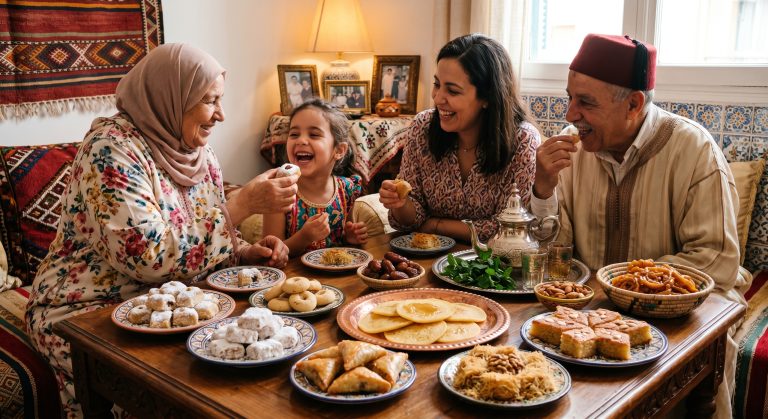
North African sweets are more than desserts. They are part of ضيافة — hospitality, family gatherings, Eid tables, Ramadan evenings, weddings, guest visits, tea moments and coffee sharing. In many homes, a plate of homemade traditional sweets is not simply served because people want something sugary. It is served to welcome, honour and share.
At My Meat Shop, our North African traditional sweets range is built around that feeling. These are homemade-style products made for family tables, tea-time moments and special occasions. From Makrout and Qalb El Louz to Baklawa, Bradj, Samsa, Griwech, Dziriette and Gazelle Horns, this is a sweet collection shaped around heritage, Arabic names and the warm feeling of a proper traditional sweet counter.
Whether you call them حلوى تقليدية, Algerian sweets, Maghrebi sweets, gâteaux orientaux or North African pastries, these are the small, rich treats that make a table feel complete.
Explore sweets, bakery and table pairings
A Homemade Sweet Range with Culture, Not Just Sugar
A normal dessert section can feel generic. A homemade North African sweets range feels different because each item has a name, a memory and a serving moment.
These sweets are built around semolina, dates, almonds, honey, jam, coconut, pastry, nuts and warm tea-time flavours. They are not only about sweetness. They are about texture, tradition and presentation.
A traditional sweet counter — محل الحلويات — usually offers variety: diamond-shaped semolina sweets, crescent almond pastries, small tartlets, honeyed pastries, jam biscuits, stuffed dates and layered pastries. A good plate is not made from one sweet only. It is made from contrast.
That is why homemade North African sweets work so well for sharing. One plate can include something date-filled, something almond-based, something honeyed, something biscuit-style and something decorative for guests.
Sweet table tip: mix semolina, date, almond, honeyed pastry, biscuit-style sweets and stuffed dates so the plate feels generous, balanced and traditional.
Why Arabic Names Matter
Arabic names give these sweets their identity. English descriptions help customers understand the product, but the Arabic name carries the way families actually talk about it at home.
Baklawa is بقلاوة. Makrout is مقروط or مقروض depending on regional spelling. Qalb El Louz is قلب اللوز. Bradj is البراج. Samsa is صامصة. Gazelle Horns are كعب الغزال. Dziriette is دزيريات. Griwech is قريوش, and Shebakia is الشباكية.
For many customers, these are the words they grew up hearing. They are also the words people search for when planning Eid, Ramadan, family visits or a traditional mixed sweet plate.
Using both English and Arabic makes the range clearer, warmer and more authentic.
Popular Homemade North African Sweets
Every family has favourites, but some sweets appear again and again because they are deeply linked to hospitality and celebration. Below are some of the best-known North African sweet styles included in the My Meat Shop range.
Makrout — مقروط / مقروض
Makrout, sometimes written Makroud, is one of the most loved North African sweets. It is usually made around semolina, dates and a rich, comforting texture. Makrout Aux Dattes is especially popular because dates give natural sweetness and a deep traditional flavour.
Makrout works beautifully with mint tea — شاي بالنعناع — or strong coffee. It is the type of sweet that feels homely, familiar and generous. Many families associate it with Eid, Ramadan evenings, weddings, family visits and weekend tea.
For a homemade sweet table, Makrout gives the plate weight, warmth and tradition.
Qalb El Louz — قلب اللوز
Qalb El Louz means “heart of almonds”. It is a generous semolina and almond-style sweet often linked with Algerian tables, especially during Ramadan and family gatherings.
The name itself feels warm: قلب اللوز. It suggests richness, comfort and sharing. Qalb El Louz is not a light decorative sweet. It is a proper traditional dessert, often served in satisfying pieces and enjoyed with tea, milk or coffee.
It is one of the best sweets to include when you want the table to feel generous and homemade.
Baklawa — بقلاوة
Baklawa is one of the most famous sweets across North Africa and the wider region. It is known for pastry layers, nuts and syrup or honey-style sweetness. Many families serve it for Eid, weddings, family visits and celebration platters.

The reason Baklawa remains so popular is simple: it feels elegant, rich and celebration-ready. بقلاوة works beautifully with coffee, mint tea or a mixed sweet plate.
For customers who are new to North African sweets, Baklawa is often one of the easiest starting points because it is familiar, attractive and easy to share.
Bradj — البراج
Bradj is a semolina and date-filled sweet often cut into diamond shapes. It has a rustic, family-kitchen feeling and is especially loved in Algerian and Maghrebi traditions.
البراج is perfect when you want something less decorative and more homely. It pairs well with tea, milk or coffee and brings the comforting flavour of semolina and dates together in a simple, traditional way.
Bradj is a strong example of why homemade North African sweets feel different from standard desserts: the beauty is in the memory, not only the decoration.
Samsa — صامصة
Samsa is a classic almond triangle pastry. صامصة is often linked with North African family tables, especially for guests, celebrations and mixed sweet platters.
It is small enough for easy sharing but rich enough to feel special. That makes it useful when building a plate where guests can taste several sweets without needing a large portion of each.
On a homemade sweet tray, Samsa adds shape, almond flavour and a more refined pastry touch.
Almond Gazelle Horns — كعب الغزال
Gazelle Horns, or Kaab el Ghazal, are elegant almond pastries often associated with Moroccan and wider Maghrebi sweet traditions. كعب الغزال has a delicate crescent shape and a refined presence on the table.
These sweets work beautifully with mint tea and are ideal for customers who want a graceful, traditional sweet for guests.
They also add visual balance to a mixed plate because their curved shape stands out beside diamond-shaped, round and tartlet-style sweets.
Shebakia and Griwech — الشباكية / قريوش
Shebakia and Griwech are loved for their shaped pastry style and honeyed finish. الشباكية and قريوش are especially familiar during Ramadan and festive family moments.
They add a generous, traditional feeling to the table. Their texture and sweetness make them excellent beside tea, coffee and other small sweets.
For a North African sweet plate, Griwech brings that classic honeyed pastry identity that many families immediately recognise.
Dziriette — دزيريات
Dziriette is an Algerian almond and honey tartlet. دزيريات feels refined, decorative and celebration-ready.
It is a beautiful choice for mixed sweet plates because it adds a small tartlet shape beside crescent pastries, biscuit rings, date sweets and honey pastries.
Dziriette is especially useful when you want the sweet plate to look more elegant for guests, Eid or family occasions.
Sablés, Jam Biscuits and Coconut Sweets — سابلي بالمربى
Not every traditional sweet needs to be heavy. Sablés and jam biscuits bring a lighter tea-time option. سابلي بالمربى is familiar, easy to serve and family-friendly.
Coconut jam thumbprint cakes, or سابلي بالمربى وجوز الهند, add a softer everyday sweetness that works well for children, coffee breaks and casual family sharing.
These biscuit-style sweets are excellent for balancing richer pastries such as Baklawa, Samsa and Griwech.
Honey & Almond Cigars — سيجار اللوز بالعسل
Honey and almond cigars bring a longer pastry shape, nutty filling and sweet finish. سيجار اللوز بالعسل works well on mixed platters because it adds a different form and texture.
This type of sweet is ideal when you want the plate to look varied and generous. It gives the tray a more elegant shape while keeping the almond and honey flavour profile that suits North African sweet traditions.
Biscotti Croki — كروكي
Croki, or Algerian croquets, is a biscuit-style favourite often served with tea or coffee. كروكي is practical, familiar and easy to enjoy as part of a lighter sweet selection.
It is a good option when you want something less syrupy but still traditional. Croki helps make the sweet plate more balanced because it adds crunch and simplicity beside richer pastries.
Stuffed Dates — تمر محشي
Stuffed dates are one of the most natural sweet-sharing foods in North African and Arab hospitality. تمر محشي sits beautifully between dessert, snack and gift-style sweet.
Dates are already meaningful in many Muslim households, especially during Ramadan. When filled with nuts, cream cheese or other sweet fillings, they become more elegant and table-ready.
On a mixed tray, stuffed dates give a natural, generous and familiar finish.
Other North African and Maghrebi Sweet Favourites
A fuller North African sweet plate can also include Kadaif / Kunafa Pistachio Nests for a fine pastry texture and pistachio finish, and Khobz El Bey for a traditional Algerian sweet that works well with tea or coffee.
These products help complete the table when you want a plate with variety, texture and presentation. They also give customers more ways to build a personalised tray depending on family taste, occasion and serving style.
How to Build a Homemade North African Sweet Plate
A good mixed plate should include different textures and flavours. Do not build it from one type of sweet only. Mix soft, crunchy, syrupy, nutty, date-filled and biscuit-style options.
- For semolina and date flavour: choose Makrout or Bradj.
- For layered richness: add Baklawa.
- For almond pastry: add Samsa or Gazelle Horns.
- For decorative elegance: add Dziriette.
- For honeyed pastry: add Shebakia or Griwech.
- For lighter biscuit balance: add Sablés or Croki.
- For natural sweetness: finish with stuffed dates.
This gives your guests variety without making the table feel complicated.
What to Serve with North African Sweets
These sweets are made for tea and coffee. The most traditional pairings include mint tea — شاي بالنعناع — Arabic coffee — قهوة عربية — espresso, black coffee, milk tea and warm milk.
For a family table, you can also serve them with fresh fruit, nuts, dates, chilled drinks or a simple dessert spread. The key is small portions and variety. These sweets are rich, so they are best enjoyed slowly and shared.
You can also complete the table with Drinks & Beverages, extra items from Bakery, or a wider dessert spread from Patisserie, Desserts & Ice Cream.
When to Serve Homemade Traditional Sweets
Homemade North African sweets are perfect for Eid, Ramadan evenings, weddings, family visits, guest hospitality, tea-time, coffee breaks, baby showers, birthdays, after-dinner sharing and gift boxes.
In many homes, offering sweets is part of استقبال الضيوف — welcoming guests. It is a way to show care, generosity and respect.
This is why North African sweets remain important even in modern family life. They are convenient to serve, beautiful on the table and full of cultural meaning.
Why Buy Homemade North African Sweets from My Meat Shop?
My Meat Shop brings these sweets into a wider Grocery & Tradition range. That means customers can build a fuller basket: halal meat, ready meals, bakery, drinks, pantry staples, traditional sweets and table essentials in one online order.
This makes shopping easier for families who want quality, halal confidence and cultural familiarity without moving between several shops. You can plan the main meal, add the bread, choose the drinks and finish the table with homemade traditional sweets.
The category is designed for customers who want convenience without losing identity. It brings حلوى تقليدية into a modern online grocery experience.
A Homemade Sweet Tradition for the Modern Halal Home
North African sweets are a tradition because they connect food with memory, family and hospitality. They are small in size but rich in meaning.
From مقروط and قلب اللوز to بقلاوة, صامصة, كعب الغزال, قريوش, دزيريات and تمر محشي, these sweets help turn a normal table into a welcoming table.
Whether you are preparing for Eid, hosting family, serving tea, planning a dessert plate or simply looking for something sweet after dinner, My Meat Shop’s homemade North African sweets help you bring that tradition home.
Frequently Asked Questions
What are North African sweets?
North African sweets are traditional pastries, biscuits and sweet treats often made with semolina, dates, almonds, honey, nuts, jam and pastry. They are commonly served for tea-time, Eid, Ramadan, weddings, family visits and guest hospitality.
Which sweets should I choose for a mixed plate?
Choose a mix of Makrout or Bradj, Baklawa, Samsa or Gazelle Horns, Dziriette, Griwech, Sablés, Croki and stuffed dates so the plate has different shapes, textures and flavours.
What should I serve with North African sweets?
Mint tea, Arabic coffee, espresso, black coffee, milk tea, warm milk, chilled drinks, fruit, nuts and dates all work well with North African traditional sweets.
Are these sweets only for Eid or Ramadan?
No. They are excellent for Eid and Ramadan, but also work for tea-time, family visits, weddings, birthdays, guest hospitality, coffee sharing and everyday dessert plates.
Build Your Homemade-Style North African Sweet Plate
Browse the North African, Middle Eastern & Traditional Sweets range at My Meat Shop and build your own sweet plate with Makrout, Qalb El Louz, Baklawa, Bradj, Samsa, Gazelle Horns, Griwech, Dziriette, stuffed dates and more traditional favourites.
Butcher’s Picks
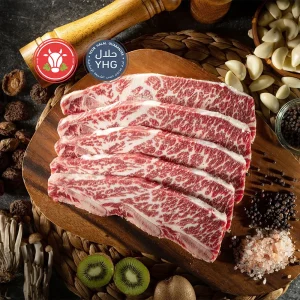
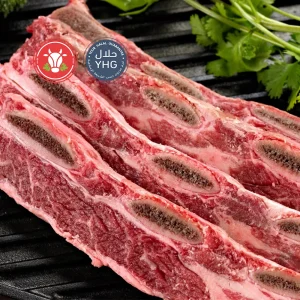
Halal Beef Short Ribs (Argentinian Style) — Pack of 5
Halal Beef Smash Burger
Halal Lamb Carcass (Pre-Order)
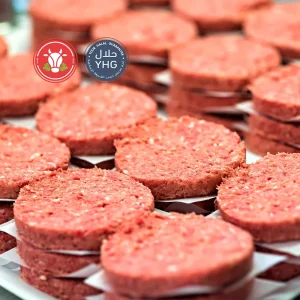
Halal Beef Burger Patty
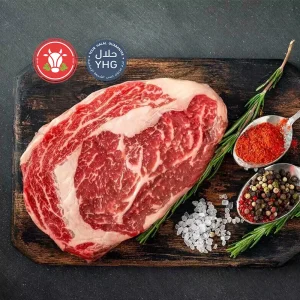
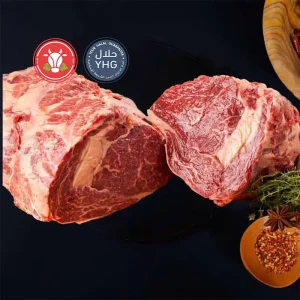
 Halal Milk-Fed Veal Prime Steaks
 Halal Charcuterie Slices
 French & European Cuisine
 Deli & Sandwich Cuisine
 Street Food Cuisine
 North African Cuisine
 West African Cuisine
 World Cuisine
 Rotisserie & Grill Cuisine
 Middle Eastern Catering Cuisine
 Kro&Kat Pet Food