Halal Meat
Nutritional Benefits of Halal Meat: A Balanced Guide for Families
A practical family guide to halal meat nutrition, protein, iron, B vitamins, leaner choices, portion planning and balanced home cooking.
Halal meat can be part of a balanced family diet when it is chosen carefully, cooked properly and served with the right sides. For many households, meat is more than a centrepiece. It is a source of protein, iron, zinc, B vitamins and familiar family meals.
At My Meat Shop, our aim is to help customers buy halal meat with confidence and use it in practical everyday cooking. This means thinking not only about flavour and trust, but also about balance, portion planning and meal variety.
Build balanced halal family meals
Is Halal Meat Nutritionally Different?
The nutritional value of meat depends mainly on the animal, cut, fat level, preparation method and portion size. A halal beef steak, lamb chop or veal cut still provides nutrients associated with meat, but the final meal depends on how it is cooked and what it is served with.
For this reason, it is better to avoid exaggerated claims. Halal meat is important because of religious compliance, trust, traceability and handling standards. Nutritionally, customers should still think about leaner choices, balanced meals and sensible portions.
Balanced advice: halal describes religious compliance and assurance. Nutrition still depends on the cut, fat level, cooking method, portion size and the rest of the plate.
Protein for Growth, Repair and Everyday Meals
Meat is a source of high-quality protein, which supports normal growth and repair in the body. For families, protein helps make meals more satisfying and gives structure to lunch, dinner and meal prep.
Halal beef mince, diced lamb, steaks, burgers, skewers, roasts and ready meals can all support family meal planning when used with vegetables, grains, potatoes, pulses, salads or traditional sides.
The key is not simply to add more meat. The key is to use halal meat as one useful part of a complete plate.
Iron, Zinc and B Vitamins
Red meat such as beef and lamb provides iron, zinc and B vitamins. Meat is also one of the main dietary sources of vitamin B12.
This is one reason many families include meat in weekly cooking. However, balance still matters. Meals should not be built only around meat. They should also include vegetables, fibre-rich foods, starchy carbohydrates and other protein sources across the week.
Protein
Helps meals feel more satisfying and supports normal growth and repair as part of a balanced diet.
Iron & zinc
Red meat can contribute iron and zinc, both of which are important nutrients in family eating.
B vitamins
Meat can provide B vitamins, including vitamin B12, which is naturally found in animal-source foods.
Choose the Right Cut for the Meal
For lighter meals, choose leaner cuts, trimmed meat, mince with a suitable fat level or smaller portions served with generous vegetables.
For richer dishes, such as slow-cooked lamb, roasts or stews, balance the meal with sides such as salad, steamed vegetables, rice, potatoes, couscous, pulses or bread depending on the recipe.
The cut you choose should match your cooking method and the nutritional feel of the meal you want to create. Halal lamb, halal beef and halal milk-fed veal can each support different styles of family cooking.
Watch Processed and Higher-Fat Choices
Halal charcuterie, sausages and burgers can be enjoyable, convenient and useful for family meals, but they should be used with balance. Processed or higher-fat meat products are best treated as part of a varied diet, not the only regular protein choice.
Use them with fresh sides, salads, vegetables, whole grains or lighter accompaniments to make the meal more complete.
Family meal tip: when serving richer halal meat products, make the rest of the plate lighter with salad, vegetables, potatoes, rice, couscous, pulses or fresh bread.
Build Balanced Halal Plates
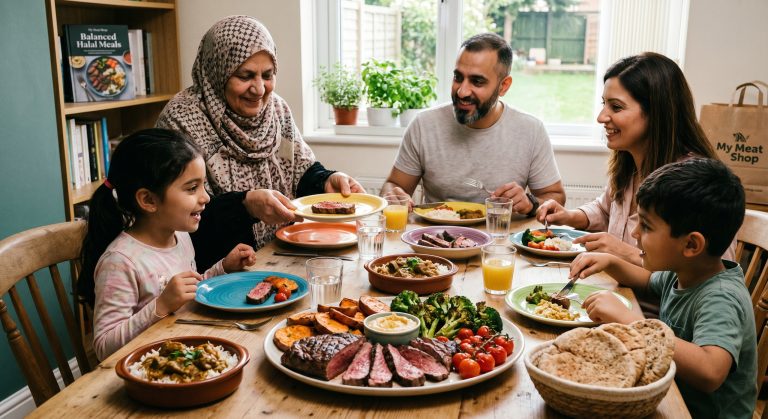
A balanced halal plate does not need to be complicated. Start with a portion of halal meat, then add vegetables or salad, a source of carbohydrate and, where useful, a sauce, spice blend or traditional side.
For example:
- Halal beef steak with potatoes and vegetables.
- Lamb skewers with salad, rice and yoghurt sauce.
- Diced beef stew with carrots, onions and bread.
- Lamb curry with rice and vegetables.
- Halal burgers with salad and oven potatoes.
- Ready meals served with extra vegetables or salad.
You can use the Grocery & Tradition section to complete meals with bakery, vegetables, spices, drinks, sides and everyday kitchen essentials.
Family Meal Planning with Halal Meat
Planning helps families use meat better. Instead of buying without a plan, choose a mix of products for the week:
Busy evenings
Choose quick-cook cuts, mince, burgers, skewers or simple ready meals for faster family dinners.
Weekend cooking
Choose slow-cook cuts, roasts and joints when you have more time for stews, curries or family centrepieces.
Convenience meals
Use halal ready meals with extra vegetables, salad or bread for easier balanced plates.
This makes the weekly shop more useful and reduces last-minute decisions.
Food Safety Still Matters
Good nutrition also depends on safe handling. Chilled products should be placed in the fridge promptly after delivery. Meat should be stored according to the label and use-by date, defrosted safely and cooked thoroughly where required.
If freezing suitable products, freeze them as soon as possible and defrost in the fridge before cooking. Do not leave raw meat at room temperature for long periods.
Storage reminder: always follow the product label, keep chilled foods cold, defrost meat safely and cook products thoroughly where required.
Final Thought
Halal meat can support nourishing family meals when it is chosen with care and served as part of a varied diet. The key is not to overclaim. The real value comes from trust, proper halal assurance, good sourcing, practical cuts, safe handling and balanced cooking.
At My Meat Shop, customers can build meals from halal beef, lamb, veal, ready meals, charcuterie, bakery, groceries and traditional foods — making halal eating clearer, easier and more complete for everyday family life.
Frequently Asked Questions
Is halal meat healthier than non-halal meat?
Halal meat is important because of religious compliance, assurance and handling standards. Nutritionally, the final meal still depends on the animal, cut, fat level, cooking method, portion size and sides.
Can halal meat be part of a balanced family diet?
Yes. Halal meat can be part of balanced family meals when served with vegetables, carbohydrates, fibre-rich foods and varied protein choices across the week.
Which halal meat cuts are better for lighter meals?
For lighter meals, choose leaner cuts, trimmed meat, suitable mince options or smaller portions served with generous vegetables, salad, potatoes, rice or pulses.
Shop Halal Meat for Balanced Family Cooking
Explore halal beef, lamb, veal, ready meals, charcuterie and groceries for trusted meals at home.

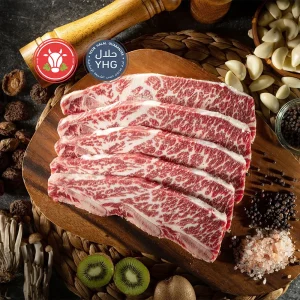
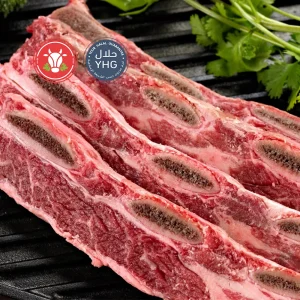
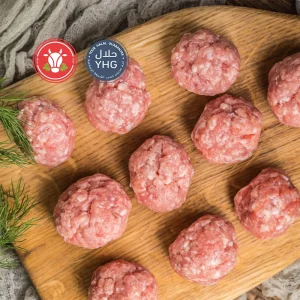
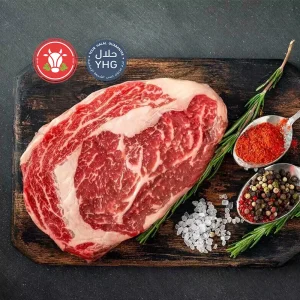
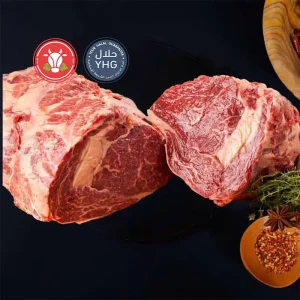



 Halal Milk-Fed Veal Prime Steaks
 Halal Charcuterie Slices
 French & European Cuisine
 Deli & Sandwich Cuisine
 Street Food Cuisine
 North African Cuisine
 West African Cuisine
 World Cuisine
 Rotisserie & Grill Cuisine
 Middle Eastern Catering Cuisine
 Kro&Kat Pet Food