My Meat Shop Blog
Holding the Ember: Why Finding Traceable, High-Quality Halal Meat in the UK Is So Hard
- Tags: butcher meat guide, chilled halal meat delivery, halal assurance UK, halal beef, halal butcher delivery, halal certification, halal certified meat, halal lamb, halal meat, halal meat cuts, halal meat delivery UK, halal meat online, halal milk-fed veal, halal traceability, HMC, non-stunned halal meat, online halal butcher, YHG process, Your Halal Guarantee
Home » My Meat Shop Blog » Holding the Ember: Why Finding Traceable, High-Quality Halal Meat in the UK Is So Hard
Halal Meat
Holding the Ember: Why Finding Traceable, High-Quality Halal Meat in the UK Is So Hard
For many Muslims in the UK, the real challenge is not only finding halal meat. It is finding halal meat that respects Islamic principles, carries proper traceability and still gives the quality you would expect from a serious butcher.
Finding halal meat in the UK is not difficult. Halal signs are everywhere. Halal counters are everywhere. Halal labels, halal stickers and halal claims are everywhere.
But finding meat that is genuinely reassuring for a Muslim family is much harder. The real question is not only: “Is this halal?” The real question is: “Is this halal, traceable, properly handled, honestly cut and good enough to eat with confidence?”
That is where the struggle begins. Many Muslim customers feel forced to choose between two bad options: high-quality butcher meat that is not halal, or halal meat where the origin, quality, handling and traceability are not clear enough.
Browse related halal meat ranges
The Muslim Customer’s Dilemma
A Muslim customer who cares about halal meat is not simply buying protein. He is buying with responsibility. He wants the animal to be treated correctly. He wants the slaughter to be clear. He wants the meat to come from a reliable chain. He wants the product to be clean, honest and suitable for his family.
But at the same time, he also wants meat that tastes good. He wants a steak that behaves like a steak. He wants lamb that has proper flavour. He wants beef that has body, texture and structure. He wants cuts that are butchered correctly, not hidden under heavy seasoning, excessive trimming or unclear preparation.
This is the difficult part. In many places, the market separates the two worlds. If you want premium butcher-quality meat, you may find yourself in high-end non-halal butchers. If you want halal meat, you may find it easily, but not always with the same level of traceability, butchery skill or meat quality.
That situation is sad because Muslims should not have to compromise their principles to eat well. They should not have to choose between Deen and quality. They should not have to accept weak meat simply because the word “halal” has been placed in front of it.
Halal Is Not Only a Sticker
A halal certificate or halal sign can be important, but it is not the whole story of meat quality. A certificate may help answer one part of the question, but a serious buyer still needs to know more.
Where did the animal come from? Which slaughterhouse handled it? How was it cut? Was the meat vacuum-packed properly? Was the cold chain respected? Is the product a proper muscle cut, or is it trim being repackaged into a convenient format? Is the butcher showing the real product, or hiding weak meat behind dice, mince, marinades and spice?
These questions are not disrespectful. They are normal questions. A good butcher should not be offended by traceability. A good wholesaler should not hide when asked about origin. A serious halal supplier should be able to explain what the customer is buying.
Important point: this is not written to attack every butcher, wholesaler or halal shop. Good people do exist. The point is that Muslim customers deserve clarity, and the halal meat market should become stronger, more transparent and more quality-led.
Why Diced Meat, Mince and Heavy Spices Can Hide the Truth
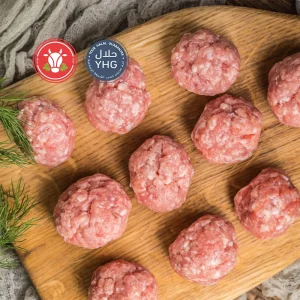
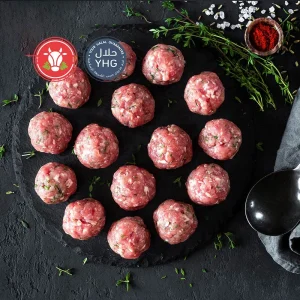
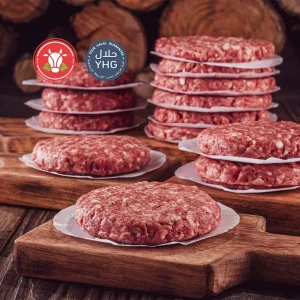
There is nothing wrong with diced meat, mince, burgers, kofta, sausages or marinated cuts when they are made honestly from good raw material. These products can be excellent when the butcher is transparent.
The problem is that these formats can also hide a lot. Once meat is diced, minced, heavily spiced or mixed into a recipe, the customer cannot easily see the original muscle, grade, trimming level, fat balance or freshness. Poor-quality meat becomes easier to disguise. Strong spices can cover weak flavour. Sauces can hide dryness. Heavy seasoning can make almost anything feel acceptable for a short moment.
Many cuisines use spices beautifully, and spices are part of our food culture. But spice should elevate good meat, not hide bad meat. The real test of meat quality is simple cooking: salt, heat, time, a clean pan, a grill, a roast tray, a stew pot. If the meat has natural flavour and proper structure, it will show itself.
That is why a serious halal butcher must be able to offer both: honest prepared formats and proper visible cuts. Diced beef has its place. Mince has its place. Burgers and skewers have their place. But they should not replace traceability, proper cutting and high-quality whole muscles.
The Wholesale Problem: When Traceability Disappears
The same issue can appear in wholesale markets. A buyer may hear that a seller has halal meat. A box may be offered. A price may be given. The seller may speak confidently. But when the buyer asks for proper traceability, the answers can become unclear.
Where is the paperwork? Which abattoir? Which batch? Which supplier? Which country? Which certificate? Which date? Which plant? Which cutting facility? Who is responsible if there is a problem?
If a seller cannot answer those questions, the buyer should slow down. Cheap meat without traceability is not a bargain. It is a risk. A Muslim buyer should not feel embarrassed to ask. A professional buyer should not be made to feel difficult for requesting paperwork.
Traceability protects the customer. It protects the business. It protects the reputation of halal meat. It also protects the honest suppliers who are trying to do things properly.
Quality Meat Should Still Matter
Sometimes the halal conversation becomes so focused on whether the slaughter is acceptable that the quality of the meat is forgotten. But quality still matters.
A halal steak should not be treated as a second-class steak. A halal lamb rack should not be a compromise. A halal ribeye should still have proper marbling, cut thickness and flavour. A halal brisket should still be selected for slow cooking. A halal mince should still have an honest fat balance. A halal roast should still be prepared for a real table, not just sold because it fits a label.
High-end butcher shops understand presentation, ageing, trimming, cutting, cooking use and customer advice. The halal meat market needs more of that discipline, not less. The Muslim customer deserves halal meat that can stand proudly beside premium non-halal butcher counters, without compromising Islamic principles.
Meat Is Not Just Protein
Customers have to know this: meat is not just protein, price, weight and delivery. Meat comes from a living animal. It is part of a full natural cycle: farming, feeding, caring for the animal, transport, slaughter, butchery, packing, cold-chain handling, delivery and finally the family table.
When we eat meat, we are not eating something ordinary or meaningless. We are consuming the result of a life, a process and a responsibility. That is why meat must be respected. It should not be treated as a cheap product to hide behind spices, sauces, poor cutting or unclear origin. It should not be wasted, taken for granted or reduced to a simple line on a shopping list.
A Muslim customer should think even more deeply about this, because halal is not only a label on a bag. The halal process reminds us that the animal, the slaughter, the intention, the handling, the traceability and the trust all matter. The meat should be valued because the process behind it is heavy, serious and full of responsibility.
Today, this responsibility is becoming harder, not easier. Across parts of Europe, traditional non-stun religious slaughter has already been banned or heavily restricted, and the debate around halal slaughter is becoming more difficult every year. A UK Parliament debate on non-stun slaughter discussed bans in several European countries and the pressure around religious slaughter. This should make us value proper halal meat even more, not less.
If access to meat slaughtered according to Islamic principles becomes harder, then genuinely halal, traceable and responsibly handled meat should be protected, respected and never wasted. Customers have to understand how much work, pressure and responsibility sit behind a proper halal meat process.
Respect the meat: when meat has come through a serious halal process, proper traceability, careful butchery and responsible handling, it should be valued. It is not just another product. It is food connected to an animal, a chain of people, a religious responsibility and a family table.
Holding the Ember
The Prophet ﷺ spoke about a time when holding firm to religion would feel like holding onto a burning ember. The meaning is powerful because it describes a real pressure: keeping your principles can become difficult when the market around you makes compromise easier.
You can read the hadith here: Jami` at-Tirmidhi 2260.
For a Muslim trying to buy meat today, this feeling is very real. If you want quality, you may be pushed towards non-halal premium butchers. If you want halal, you may be pushed towards unclear products. If you ask too many questions, some sellers make you feel difficult. If you insist on traceability, the price becomes higher. If you refuse meat where the origin, slaughter route and traceability are doubtful, your choices become smaller.
That is why the issue is not only commercial. It is spiritual, ethical and practical at the same time. Eating halal is not supposed to mean eating poor-quality meat. Eating high-quality meat is not supposed to mean abandoning halal principles.
Trust, Responsibility and the Word “Halal”
Islam is not built on making life impossible for people. If a trustworthy Muslim gives or sells meat and tells you it is halal, then that statement carries weight. The ordinary buyer is not expected to investigate every hidden detail without reason.
This meaning is supported by the hadith of Sahih al-Bukhari 5507, where people brought meat and the Companions were unsure whether Allah’s name had been mentioned at slaughter. The Prophet ﷺ told them to mention Allah’s name and eat.
But this also shows how serious the responsibility is on the person selling, supplying or claiming that meat is halal. If a Muslim supplier tells people the meat is halal, then he is not just making a sales claim. He is carrying an amanah, a trust, in front of Allah and in front of the customers who rely on his word.
That is why the issue is not suspicion for no reason. The issue is when the meat origin, slaughter route and traceability are doubtful, unclear or hidden. In that situation, a Muslim buyer has every right to ask questions before eating it, selling it or serving it to his family.
At My Meat Shop, we cannot play with that responsibility. If we say a product is halal, we understand that customers are trusting us with something bigger than a normal purchase. They are trusting us with their food, their family table and their religious principles. That is why traceability, halal assurance and honest product information matter so much to us.
We Cannot Just Be Spectators
We have been in the meat industry for decades, so we are not speaking from theory or from outside the trade. We have seen how the halal meat market works from the inside: the good suppliers, the serious butchers, but also the weak practices, unclear origins, poor-quality cuts, hidden trim, vague paperwork and sellers who rely on the word “halal” without giving customers the full confidence they deserve.
Because we have lived inside this industry for so long, we know the reality behind the counter, behind the box and behind the label. We know that many customers only see the final product, but people in the trade know when quality is being protected and when it is being hidden. We know when traceability is respected, and we know when people avoid questions.
After seeing this for so long, it becomes very hard to stay silent or stand as a spectator. When Muslim families are trying to keep their principles, they should not be pushed into choosing between proper halal assurance and proper meat quality. For us, this is not only business. It is a responsibility.
If we know what is happening in the industry, then we also have a duty to build something cleaner, clearer and more trustworthy. My Meat Shop exists because halal, traceability and butcher-quality meat should belong together.
What a Proper Halal Meat Standard Should Include
A stronger halal meat offer should bring several layers together. One layer alone is not enough.
- Clear halal assurance: the customer should understand the halal process and who is responsible for it.
- Traceability: the origin, slaughter, cutting and handling route should be clear enough to trust.
- Quality selection: the meat should be selected for eating quality, not only for price.
- Proper butchery: cuts should be named honestly, trimmed correctly and prepared for real cooking use.
- Visible product logic: customers should be able to buy steaks, roasts, joints, offal, whole cuts, mince and diced meat without everything being hidden in processed formats.
- Cold-chain discipline: chilled and frozen products should be handled properly from supplier to customer.
- Customer guidance: a butcher should help customers understand what to cook, how to cook it and which cut suits the dish.
What We Are Trying to Build at My Meat Shop
My Meat Shop was built because this problem needed a serious answer. The goal is not simply to sell halal meat online. The goal is to help Muslim families and halal-conscious customers buy meat with more confidence.
That means bringing together halal assurance, traceability, better product structure, clearer category navigation, proper butcher cuts and a stronger food experience. It means offering Halal Beef, Halal Lamb, Halal Milk-Fed Veal, Halal Charcuterie and Halal Ready Meals with more explanation than a basic product list.
It also means being honest about what each product is for. A steak is not the same as a dice. A roast is not the same as mince. A whole cut is not the same as a prepared burger. A pre-order item is not the same as a standard stocked item. The customer deserves to understand the difference.
The phrase we believe in is simple: from the gate to the plate. That means the story of the meat should not disappear between the animal, the abattoir, the butcher, the pack and the customer’s kitchen.
Questions Every Halal Meat Buyer Should Ask
A Muslim customer should feel confident asking questions. These questions are not rude. They are part of buying responsibly.
- Who certifies or monitors the halal process?
- Can the seller explain the slaughter and supply chain clearly?
- Can the meat be traced back through a reliable route?
- Is the product a real named cut, or a mixed prepared format?
- If it is diced or minced, what cut or trim is being used?
- Is the meat sold for quality, or only for price?
- Does the butcher explain cooking use, portion size and preparation?
- Does the seller avoid questions or answer them properly?
If the answer is unclear, the customer should not be pressured. A good halal meat supplier should welcome serious questions because serious questions build trust.
Halal Meat Should Taste Like Meat
Good meat does not need to hide. It can be grilled simply. It can be roasted properly. It can be braised slowly. It can be seasoned with respect rather than buried under flavour because the base product is weak.
This does not mean spices are bad. Our cuisines are rich because of spices, marinades, herbs and sauces. But the meat underneath should still be worthy. A lamb chop should taste like lamb. A beef shin should cook into deep flavour. A brisket should have structure. A steak should be cut and cooked with care.
When halal meat becomes only cheap diced meat, cheap mince, anonymous trim and heavy spice, the customer loses something. The food loses honesty. The butcher loses his craft. The halal market loses its dignity.
The Future of Halal Meat in the UK
The UK halal meat market can become better. It can move beyond basic supply. It can offer halal meat with serious traceability, clear certification, proper cutting, better product education and the same respect for quality that customers expect from high-end butcher shops.
This requires customers to ask better questions. It requires suppliers to become more transparent. It requires butchers to care about skill, not only turnover. It requires online shops to explain cuts properly. It requires the halal food market to stop accepting low standards as normal.
Muslims should be able to buy meat that respects their principles and satisfies their standard. That should not be a luxury. It should be the foundation of the halal meat market.
Frequently Asked Questions
Why is finding proper halal meat in the UK difficult?
Because halal availability, full traceability, proper butchery and high eating quality do not always come together. Many customers can find halal meat, but still struggle to find meat that is transparent, well-cut and premium in quality.
Is halal certification alone enough?
Halal certification is important, but it does not automatically explain meat quality, cut selection, traceability, cold-chain handling or butcher skill. A strong halal meat offer should bring those layers together.
Can I accept the word of a Muslim seller who says meat is halal?
If a trustworthy Muslim seller tells you the meat is halal, that statement carries weight and the responsibility of the claim is on him. But when the meat origin, slaughter route or traceability is doubtful, unclear or hidden, the buyer has every right to ask questions before eating, selling or serving it.
Why can diced meat and mince be a concern?
Diced meat and mince can be excellent when made honestly, but they can also hide the original cut, trim quality and freshness. Customers should know what meat is being used and why.
Why should meat be respected more?
Because meat comes from a living animal and a full process: farming, feeding, slaughter, butchery, cold-chain handling and delivery. It should not be treated as only protein or a cheap item in a basket.
What does traceable halal meat mean?
Traceable halal meat means the product can be followed through a clearer supply route, including source, slaughter, handling, cutting and sale. It gives customers more confidence in what they are buying.
Should halal meat also be premium quality?
Yes. Muslim customers should not have to accept lower meat quality because they want halal. Halal meat should still be selected, cut, handled and presented with the same seriousness expected from a good butcher.
Choose Halal Meat with More Confidence
Browse halal meat with clearer categories, proper cuts, stronger traceability thinking and a butcher-led approach designed for Muslim families who do not want to compromise.
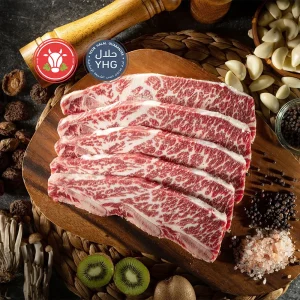
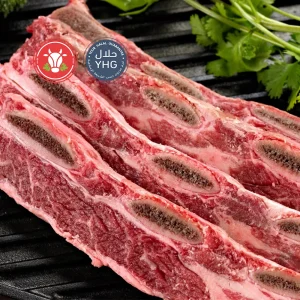



 Halal Milk-Fed Veal Prime Steaks
 Halal Charcuterie Slices
 French & European Cuisine
 Deli & Sandwich Cuisine
 Street Food Cuisine
 North African Cuisine
 West African Cuisine
 World Cuisine
 Rotisserie & Grill Cuisine
 Middle Eastern Catering Cuisine
 Kro&Kat Pet Food