
My Meat Shop Blog
Halal Beef
Halal Beef Cuts Guide: Shoulder, Rib, Loin, Sirloin, Brisket, Shin, Neck & Best Cooking Uses
A practical guide to halal beef cuts, cooking methods and My Meat Shop product choices, from shoulder and ribeye to fillet, sirloin, brisket, shin, neck, mince and everyday family cuts.
Buying halal beef becomes much easier when you understand where each cut comes from and how it should be cooked. A ribeye steak is not used the same way as beef shin. A sirloin cooks quickly, while brisket needs time. Mince works for everyday family meals, while a standing rib roast or T-bone steak is better for special cooking.
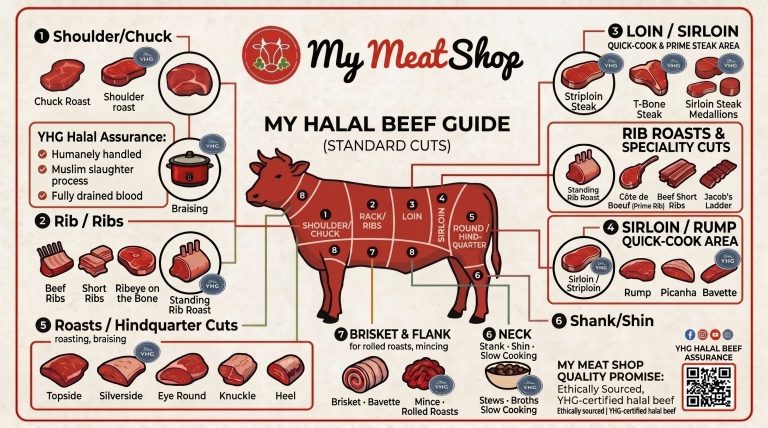
This guide is based on the My Meat Shop halal beef cut structure and connects each section of the beef carcass to real products available in the Halal Beef range. The goal is simple: help customers choose the right cut before ordering.
At My Meat Shop, the Halal Beef category is organised around real cooking needs: prime steaks, bone-in prime steaks, everyday cuts, burgers and skewers, roasts and joints, offal and larger whole cuts. That means customers can shop by the meal they want to cook, not only by the name of the cut.

The My Meat Shop halal beef range helps customers connect each beef cut with the right cooking method.
Shop halal beef by cooking style
1. Shoulder / Chuck — Best for Slow Cooking, Braising, Dicing and Roasting
The shoulder and chuck area is one of the most useful parts of beef for family cooking. It gives strong flavour and works well when cooked slowly, diced for stew, braised, roasted or prepared as a larger whole cut.
This is not the section for ribeye steak. Ribeye belongs to the rib section. For shoulder and chuck, the stronger My Meat Shop product matches are shoulder bone-in, chuck roll, braising joint and diced beef.
For slow family meals, Halal Beef Braising Joint is a strong choice. For stews, curries and batch cooking, Halal Diced Beef Boneless Lean Dice is already prepared for easier cooking.
Best cooking ideas:
- Slow-cook chuck or shoulder with onions, stock and herbs.
- Dice for stew, curry, tagine-style dishes, casseroles or batch cooking.
- Use braising joints for low-and-slow family meals.
- Slice or dice whole chuck roll for freezer planning and home portioning.
2. Rib / Ribs — Best for Ribeye, Tomahawk, Côte de Boeuf, Short Ribs and Roasts
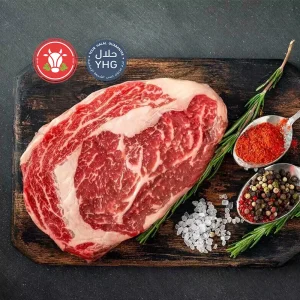
The rib section is one of the most premium parts of beef. It gives ribeye steak, ribeye on the bone, tomahawk, standing rib roast, beef ribs, short ribs and Jacob’s Ladder.
This section should replace rack/ribs and guard of honour wording on the beef guide. For beef, it is clearer to show rib steaks and rib roasts rather than lamb-style rack language.
For bone-in rib steak, choose Halal Beef Ribeye Steak on the Bone. For slow-cooking and barbecue-style meals, use Halal Beef Short Ribs, Halal Beef Ribs or Halal Beef Jacob’s Ladder. For a centrepiece, choose Halal Beef Standing Rib Roast.
Best cooking ideas:
- Pan-sear ribeye steak for a premium quick meal.
- Roast a standing rib roast for a family centrepiece.
- Grill tomahawk or Côte de Boeuf for a special steak night.
- Slow-cook short ribs and Jacob’s Ladder until tender.
- Use beef ribs for barbecue-style cooking, marinades and sharing plates.
3. Loin / Short Loin / Tenderloin — Best for Fillet, T-Bone and Premium Steaks
The loin and short loin area gives some of the most tender beef cuts. This is where customers start thinking about fillet, tenderloin, T-bone and premium quick-cook steak portions.
Fillet steak is lean and tender. T-bone gives two textures in one bone-in steak. Sirloin and striploin also sit close to this premium steak family on the shopping journey.
Choose Halal Beef Fillet Steak for tenderness, Halal Beef Medallions Chateaubriand for refined portions, Halal Beef T-Bone Steak for a bone-in steak experience, or Halal Beef Fillet Tenderloin Whole for whole-cut planning.
Best cooking ideas:
- Pan-sear fillet steak for a tender, elegant meal.
- Grill T-bone for a bone-in steak experience.
- Use medallions for portion-controlled premium plates.
- Keep seasoning simple so the beef flavour stays clear.
- Serve with potatoes, vegetables, salad, pepper sauce or garlic butter.
4. Sirloin / Rump / Quick-Cook Area — Best for Sirloin, Rump, Picanha, Bavette and Minute Steaks
The beef guide should use “Sirloin / Rump / Quick-Cook Area” rather than lamb-style chump wording. This section is where customers can understand faster-cooking steak-style cuts: sirloin, rump, picanha, bavette, medallions and minute steaks.
For fast steak-style cooking, browse Halal Beef Rump Steak, Halal Beef Bavette Steak and Halal Beef Minute Steaks.
Best cooking ideas:
- Pan-sear sirloin or rump for a classic steak meal.
- Cook picanha with the fat cap for flavour.
- Grill bavette quickly and slice against the grain.
- Use minute steaks for wraps, sandwiches and fast family dinners.
- Serve with chips, rice, potatoes, salad, sauces or grilled vegetables.
5. Round / Hindquarter Cuts — Best for Roasting, Slicing, Joints and Whole-Cut Planning
The beef guide should use “Round / Hindquarter Cuts” instead of “Leg”. On the live My Meat Shop range, customers will see whole cuts such as topside, silverside, eye round, knuckle and heel rather than beef leg.
These cuts are useful for roasting, slicing, whole-cut planning, batch cooking and butchery-style home preparation.
For larger whole-cut planning, browse Halal Beef Topside Whole, Halal Beef Silverside Whole, Halal Beef Eye Round Whole, Halal Beef Knuckle Whole and Halal Beef Heel Whole.
Best cooking ideas:
- Roast as a joint and slice for family meals.
- Use whole cuts for home portioning and freezer planning.
- Slice thinly for cold beef, sandwiches or meal prep.
- Use suitable cuts for diced beef, stews or slow-cooking plans depending on the cut.
6. Shank / Shin — Best for Slow Cooking, Stews, Broths and Deep Beef Flavour
Shank and shin are made for slow cooking. These cuts become tender when cooked gently for a long time and are excellent for stews, broths, soups, sauces and rich family dishes.
The live range includes both Halal Beef Shin Whole and Halal Beef Shank Bone-In, so the guide should show this section as “Shank / Shin” rather than only shank.
For another slow-cooking option, choose Halal Beef Slow-Cooking Joint.
Best cooking ideas:
- Slow-cook shin with tomato, onions and stock.
- Use shank bone-in for broths, stews and sauce-rich cooking.
- Cook gently until the meat becomes soft and the sauce becomes rich.
- Serve with mash, rice, couscous, bread or roasted vegetables.
7. Brisket & Flank — Best for Brisket, Bavette, Mince and Slow-Cooking Plans
The beef guide should use “Brisket & Flank”, not “Breast & Flank”. This is clearer and matches the live beef range better.
Brisket is excellent for slow cooking, roasting, smoking-style cooking, slicing and rich family meals. Bavette is a flank-style steak that cooks quickly but needs correct slicing. Mince is one of the most useful everyday beef products.
For a smaller brisket format, choose Halal Beef Brisket Boneless Steak. For everyday cooking, Halal Beef Mince is one of the most flexible choices.
Best cooking ideas:
- Slow-cook brisket until tender.
- Roast or braise brisket for family meals.
- Pan-sear bavette quickly and slice against the grain.
- Use mince for burgers, keema, pasta, stuffed vegetables, pies and batch cooking.
8. Neck — Best for Stews, Broths and Traditional Slow Cooking
Beef neck is a flavourful slow-cooking cut. It is useful for stews, broths, soups, sauces and traditional dishes where deep beef flavour matters.
The beef guide should number neck as section 8 so it follows the corrected beef guide map clearly.
Choose Halal Beef Neck Bone-In when you want a traditional slow-cooking cut that builds flavour in the sauce or broth.
Best cooking ideas:
- Use for slow-cooked stews and broths.
- Cook with onions, carrots, herbs and spices.
- Use the bone-in format to build flavour in sauces and soups.
- Cook gently until the meat is tender.
Everyday Beef Cuts for Easy Family Meals
Not every beef meal needs to be a premium steak or a large roast. Everyday beef cuts are some of the most useful products for busy households.
Use Halal Beef Mince, Halal Diced Beef, Halal Beef Stir-Fry Strips and Halal Beef Minute Steaks for quick weeknight meals and batch cooking.
Use everyday beef cuts for:
- Keema and burgers.
- Stir-fries and wraps.
- Rice dishes and pasta sauces.
- Curries and stews.
- Batch cooking and quick weeknight meals.
Which Halal Beef Cut Should You Choose?
- Choose shoulder or chuck if you want braising, dicing, slow cooking or larger family meals.
- Choose ribeye, tomahawk, Côte de Boeuf or standing rib roast if you want a premium rib-section meal.
- Choose fillet, T-bone, sirloin or medallions if you want tender quick-cook steaks.
- Choose rump, picanha, bavette or minute steaks if you want flavourful steak-style portions for faster cooking.
- Choose topside, silverside, eye round, knuckle or roasting joint if you want roasting, slicing or whole-cut planning.
- Choose shin or shank if you want slow-cooked, rich, fall-apart beef.
- Choose brisket if you want slow cooking, braising or a larger beef centrepiece.
- Choose mince, diced beef or stir-fry strips if you want flexible everyday cooking.
- Choose neck if you want traditional stews, broths and deep beef flavour.
How This Guide Helps Customers Shop
A beef cut guide should not only explain anatomy. It should help customers click the right product.
That is why this article works as a bridge between the Halal Beef category and the product pages. The reader can understand the cooking use, then follow the link to a relevant My Meat Shop product.
This makes the blog useful for customers and strong for internal linking. It supports the main Halal Beef category, improves links to subcategories and product pages, and helps shoppers feel more confident before ordering.
For customers who want more reassurance before buying, the Halal Certification page explains the My Meat Shop halal assurance route. For delivery questions, read the Halal Meat Delivery Guide. To complete the meal, browse Grocery & Tradition, Spices & Seasonings and Cooking Essentials.
Frequently Asked Questions
Which halal beef cut is best for steak night?
Ribeye, sirloin, fillet, T-bone, rump, picanha, bavette and minute steaks are good choices for quick steak-style cooking.
Which halal beef cut is best for slow cooking?
Shoulder, chuck, braising joint, brisket, shin, shank, neck and slow-cooking joints are best for slow cooking because they become tender with time.
Which beef cut should I buy for a family roast?
Standing rib roast, roasting joint, topside, silverside, eye round and selected whole cuts can work for family roasting and slicing.
Which halal beef cuts are best for everyday meals?
Beef mince, diced beef, stir-fry strips and minute steaks are useful for everyday family cooking, batch cooking, wraps, rice dishes, pasta sauces and quick meals.
Explore the Full Halal Beef Range
Choose the right cut for your meal, from shoulder, ribeye, sirloin and fillet to brisket, shin, neck, mince, diced beef, roasts, joints and larger whole cuts.
Butcher’s Picks
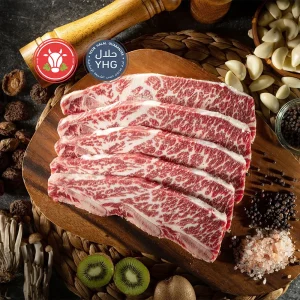
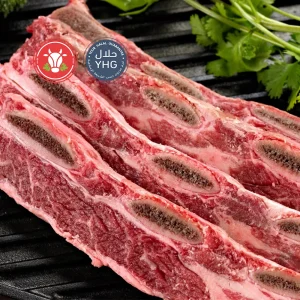
Halal Beef Short Ribs (Argentinian Style) — Pack of 5
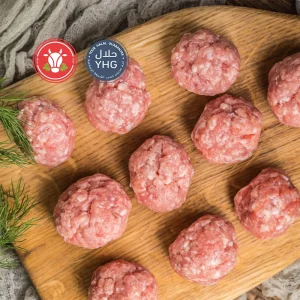
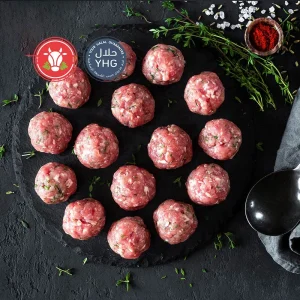
Halal Beef Smash Burger
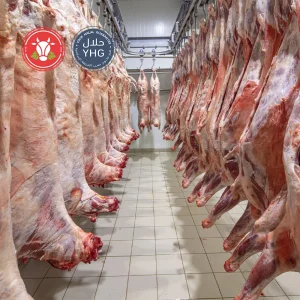
Halal Lamb Carcass (Pre-Order)
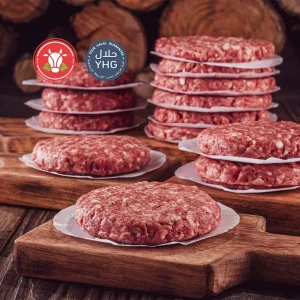
Halal Beef Burger Patty



 Halal Milk-Fed Veal Prime Steaks
 Halal Charcuterie Slices
 French & European Cuisine
 Deli & Sandwich Cuisine
 Street Food Cuisine
 North African Cuisine
 West African Cuisine
 World Cuisine
 Rotisserie & Grill Cuisine
 Middle Eastern Catering Cuisine
 Kro&Kat Pet Food