
My Meat Shop Blog
Halal Milk-Fed Veal
Halal Milk-Fed Veal Cuts Guide: How to Choose Shoulder, Rack, Loin, Rump, Shank & Roasts
A practical guide to French halal milk-fed veal cuts, cooking methods and My Meat Shop product choices, from fillet mignon and escalope to rib chop, shank, shoulder and roasts.
Milk-fed veal is not a common everyday meat in the British halal market. Most shoppers are familiar with halal beef and halal lamb, but halal milk-fed veal is a more specialist choice. It is lighter, more delicate, more refined in texture, and better suited to customers who want something different from standard steak or roasting meat.
That is exactly why My Meat Shop has chosen to introduce a dedicated Halal Milk-Fed Veal range to UK customers. Through our trusted network, halal assurance and specialist sourcing route, we are able to offer French halal milk-fed veal in a clear online format, with cuts prepared for home cooks who want premium quality, elegant cooking and something less common than ordinary beef or lamb.
This guide explains the main milk-fed veal cuts and links each section to real products on the website. The aim is simple: help you understand the cut, choose the right cooking method, and shop the right product with confidence.

The My Meat Shop halal milk-fed veal range helps customers discover refined French halal veal cuts for home cooking.
Shop halal milk-fed veal by cooking style
Why Milk-Fed Veal Feels Different
Milk-fed veal has a softer, lighter character than mature beef. It is known for its pale colour, delicate flavour and tender texture. That makes it especially suitable for pan-seared fillet mignon, thin escalopes, delicate rump steaks, elegant rib chops, refined roasts and slow-cooked shanks.
It is not a meat that should be treated like standard beef in every recipe. Milk-fed veal is more refined. It rewards careful cooking, gentle seasoning and lighter sauces. For quick-cook cuts, avoid overcooking. For slow-cook cuts, give them time so the meat becomes tender and the sauce becomes rich.
At My Meat Shop, the range is organised into clear families: Prime Steaks, Bone-In Prime Steaks, Everyday Cuts, Burgers, Skewers & More, Roasts & Joints, Offal and Whole Cuts. That structure helps customers move from the cut guide into the right section of the shop.
Veal cooking tip: use gentle seasoning for quick-cook milk-fed veal cuts, and use slower cooking with moisture for shank, neck, shoulder and sauce-led dishes.
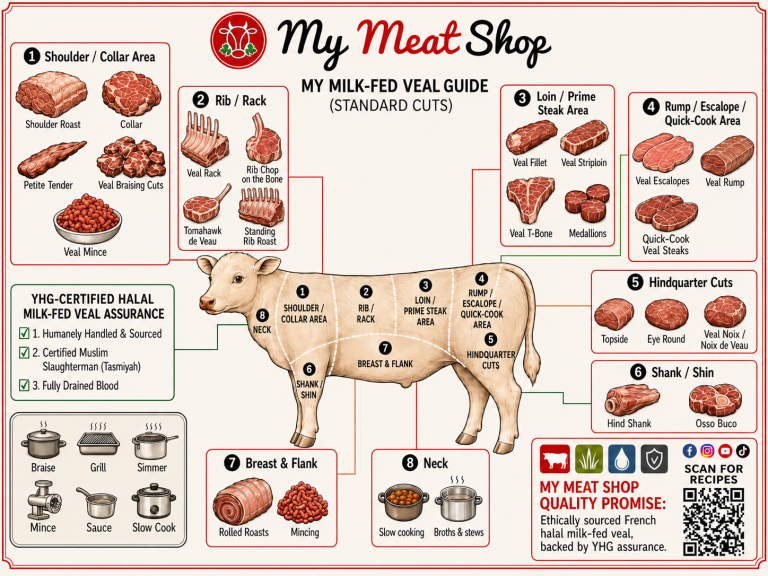
1. Shoulder / Collar Area — Best for Roasting, Braising, Dicing and Mince
The shoulder and collar area is one of the most useful parts of veal for family cooking. It is not only for one style of dish. It can support roasting, braising, dicing, mincing and slow cooking depending on how it is prepared.
This is where customers should think about shoulder whole, collar or neck-style slow cooking, braising cuts and mince. These cuts are perfect when the recipe needs softness, sauce and time.
Best uses:
- Veal braises and sauce-led dishes.
- Family roasts and slow-cooked meals.
- Veal mince recipes, meatballs or stuffing.
- Slow-cooked stews and lighter veal ragouts.
2. Rib / Rack — Best for Bone-In Presentation and Premium Cooking
The rib and rack section is the most visual part of the veal guide. This is where the meat becomes a real centrepiece. Rib chops, rack-style cuts, tomahawk-style steaks and standing rib roasts all bring strong table presentation while keeping the delicate character of milk-fed veal.
This section is ideal for customers who want something more special than a simple steak, but still want a product that can be cooked at home.
For a special steak-style meal, choose Halal Milk-Fed Veal Tomahawk Steak or Halal Milk-Fed Veal T-Bone Steak. For slower rib-led cooking, browse Halal Milk-Fed Veal Short Ribs, Halal Milk-Fed Veal Ribs or Halal Milk-Fed Veal Jacob’s Ladder.
Best uses:
- Pan-seared rib chops.
- Grilled veal tomahawk.
- T-bone style special dinners.
- Standing rib roast for family sharing.
- Short ribs and Jacob’s Ladder for slower cooking.
3. Loin / Prime Steak Area — Best for Fillet, T-Bone and Medallions
The loin area is the refined steak side of veal. This is where customers should look when they want tender cuts, elegant plating and quick cooking.
Fillet mignon is the most delicate route. Striploin-style cuts offer a more classic steak feel. T-bone gives bone-in character. Medallions are useful for portion-controlled premium plates.
Choose Halal Milk-Fed Veal Fillet Mignon Steak for delicate quick cooking, or Halal Milk-Fed Veal Fillet Mignon Whole for whole-cut planning.
Best uses:
- Quick pan-searing.
- Premium steak dinners.
- Lighter sauces and gentle seasoning.
- Date-night cooking and special plated meals.
4. Rump / Escalope / Quick-Cook Area — Best for Fast Refined Meals
This is the most practical quick-cooking side of the milk-fed veal range. It is especially useful for customers who want something lighter than beef but still want a real meat dish.
Escalopes are ideal for pan-frying, breadcrumb dishes and lemon-herb finishes. Rump steak gives a little more bite while staying tender. Noix and sous-noix give neat, lean, refined portions.
For leaner refined portions, choose Halal Milk-Fed Veal Noix Steak, Halal Milk-Fed Veal Sous-Noix Steak or Halal Milk-Fed Veal Carpaccio Slices when available.
Best uses:
- Veal escalopes and pan-fried steaks.
- Breadcrumbed veal dishes.
- Lemon and herb finishes.
- Quick weekday dinners and elegant lighter plates.
5. Hindquarter Cuts — Best for Roasting, Slicing and Whole-Cut Planning
The hindquarter is where customers can move into larger, more flexible veal cuts. These are useful for roasting, slicing, dicing, portioning and freezer planning.
This part of the guide should not be treated only as steaks. It is also where whole cuts such as noix, sous-noix, quasi, heel and top bit or rump-style cuts can become very useful.
For whole-cut planning, browse Halal Milk-Fed Veal Noix Whole, Halal Milk-Fed Veal Sous-Noix Whole, Halal Milk-Fed Veal Quasi Whole and Halal Milk-Fed Veal Heel Whole.
For larger pre-order planning, use Halal Milk-Fed Veal Top Bit and Rump — Rounds.
Best uses:
- Roasting and slicing.
- Home portioning and freezer planning.
- Diced veal for braises.
- Larger-format cooking and family preparation.
6. Shank / Shin — Best for Osso Buco, Braising and Slow Cooking
The shank and shin section is one of the most important slow-cooking parts of veal. This is where the meat becomes tender through time and moisture.
The best-known style is osso buco-type cooking, where the shank is slowly braised with stock, tomato, vegetables or herbs until the meat becomes soft and the sauce becomes rich.
Choose Halal Milk-Fed Veal Shank Bone-In for osso buco-style dishes, or Halal Veal Shin Whole for boneless slow-cooking plans.
Best uses:
- Osso buco-style dishes.
- Slow braises, broths and rich sauces.
- Comfort-food meals.
- Serving with rice, mash, bread or potatoes.
7. Breast & Flank — Best for Rolled Roasts, Mince and Slow Cooking
Breast and flank are practical parts of the veal guide. They are useful for rolled roasts, mincing, braising and slower family cooking.
These cuts are not usually the first choice for a premium steak plate, but they are very useful when the recipe needs moisture, time and fuller flavour.
For specialist planning, browse Halal Milk-Fed Veal Flank or Halal Milk-Fed Veal Forequarter with Flank when available on pre-order.
Best uses:
- Rolled roasts and mince-based recipes.
- Slow cooking and braising.
- Stuffing and sauce-led dishes.
- Larger-format planning and family cooking.
8. Neck — Best for Broths, Stews and Traditional Slow Cooking
Veal neck is a classic slow-cooking cut. It is especially good for broths, stews, long braises and dishes where the meat needs to flavour the sauce or cooking liquid.
This is not a fast steak cut. It should be cooked gently and slowly. The reward is a deeper veal flavour and a softer texture.
Choose Halal Milk-Fed Veal Neck Whole when you want a traditional slow-cooking cut for broths, stews, light ragouts and stock-led recipes.
Best uses:
- Broths and stews.
- Slow cooking and light veal ragouts.
- Traditional home dishes.
- Sauces and stock-led recipes.
Which Halal Milk-Fed Veal Cut Should You Choose?
- Choose shoulder or collar if you want roasting, braising, mince or slow family meals.
- Choose rib chop, rack, tomahawk or standing rib roast if you want premium bone-in presentation.
- Choose fillet mignon, T-bone or medallions if you want quick-cook premium steak-style veal.
- Choose escalope, rump, noix or sous-noix if you want fast, lighter pan-fried meals.
- Choose hindquarter whole cuts if you want roasting, slicing or home portioning.
- Choose shank or shin if you want osso buco-style braising and rich slow cooking.
- Choose breast or flank if you want rolled roasts, mince or sauce-led cooking.
- Choose neck if you want broths, stews and traditional slow-cooked meals.
Why This Range Matters for UK Halal Customers
Milk-fed veal is still a specialist meat in the UK halal market. Many customers have never had a clear, trustworthy way to shop it online, especially with halal assurance, product guidance, French origin, cut names, size options and cooking-use explanations in one place.
My Meat Shop is introducing this range because it adds something genuinely different to the halal table. It is not just another version of beef or lamb. It is a more delicate, premium and refined meat choice for customers who want to explore higher-end halal cooking at home.
That is why the cut guide matters. It helps customers understand a meat that may be unfamiliar, then connects each section of the animal to a real product on the website.
For customers who want more reassurance before buying, the Halal Certification page explains the My Meat Shop halal assurance route. To complete the meal, browse Grocery & Tradition, Spices & Seasonings and Cooking Essentials.
Frequently Asked Questions
What is halal milk-fed veal?
Halal milk-fed veal is a specialist halal veal range with a lighter colour, delicate flavour and tender texture compared with mature beef.
Which milk-fed veal cut is best for quick cooking?
Fillet mignon, escalope, rump steak, noix steak, sous-noix steak, rib chop and T-bone steak are good choices for quicker cooking.
Which veal cut is best for osso buco-style cooking?
Veal shank or shin is the best choice for osso buco-style braising because it becomes tender with slow cooking and gives a rich sauce.
Which milk-fed veal cut is best for a special meal?
For a special meal, choose fillet mignon, rib chop, tomahawk steak, T-bone steak or standing rib roast depending on whether you want a quick steak-style plate or a centrepiece roast.
Explore the Full Halal Milk-Fed Veal Range
Choose the right cut for your recipe, from fillet mignon, escalope, rump and rib chop to standing rib roast, shank, neck, shoulder and larger whole cuts.
Butcher’s Picks
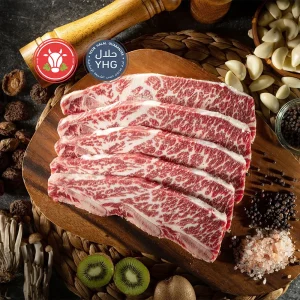
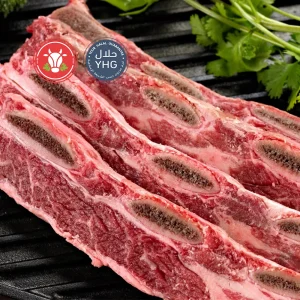
Halal Beef Short Ribs (Argentinian Style) — Pack of 5
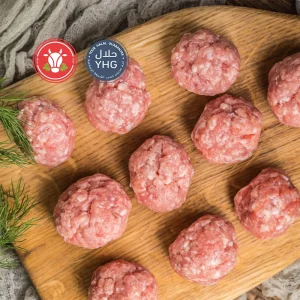
Halal Beef Smash Burger
Halal Lamb Carcass (Pre-Order)
Halal Beef Burger Patty
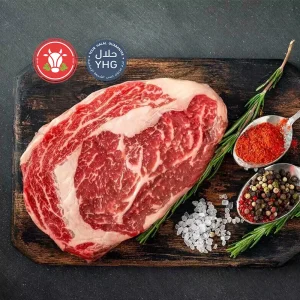
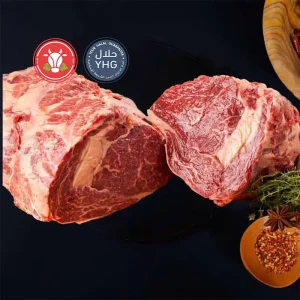



 Halal Milk-Fed Veal Prime Steaks
 Halal Charcuterie Slices
 French & European Cuisine
 Deli & Sandwich Cuisine
 Street Food Cuisine
 North African Cuisine
 West African Cuisine
 World Cuisine
 Rotisserie & Grill Cuisine
 Middle Eastern Catering Cuisine
 Kro&Kat Pet Food